
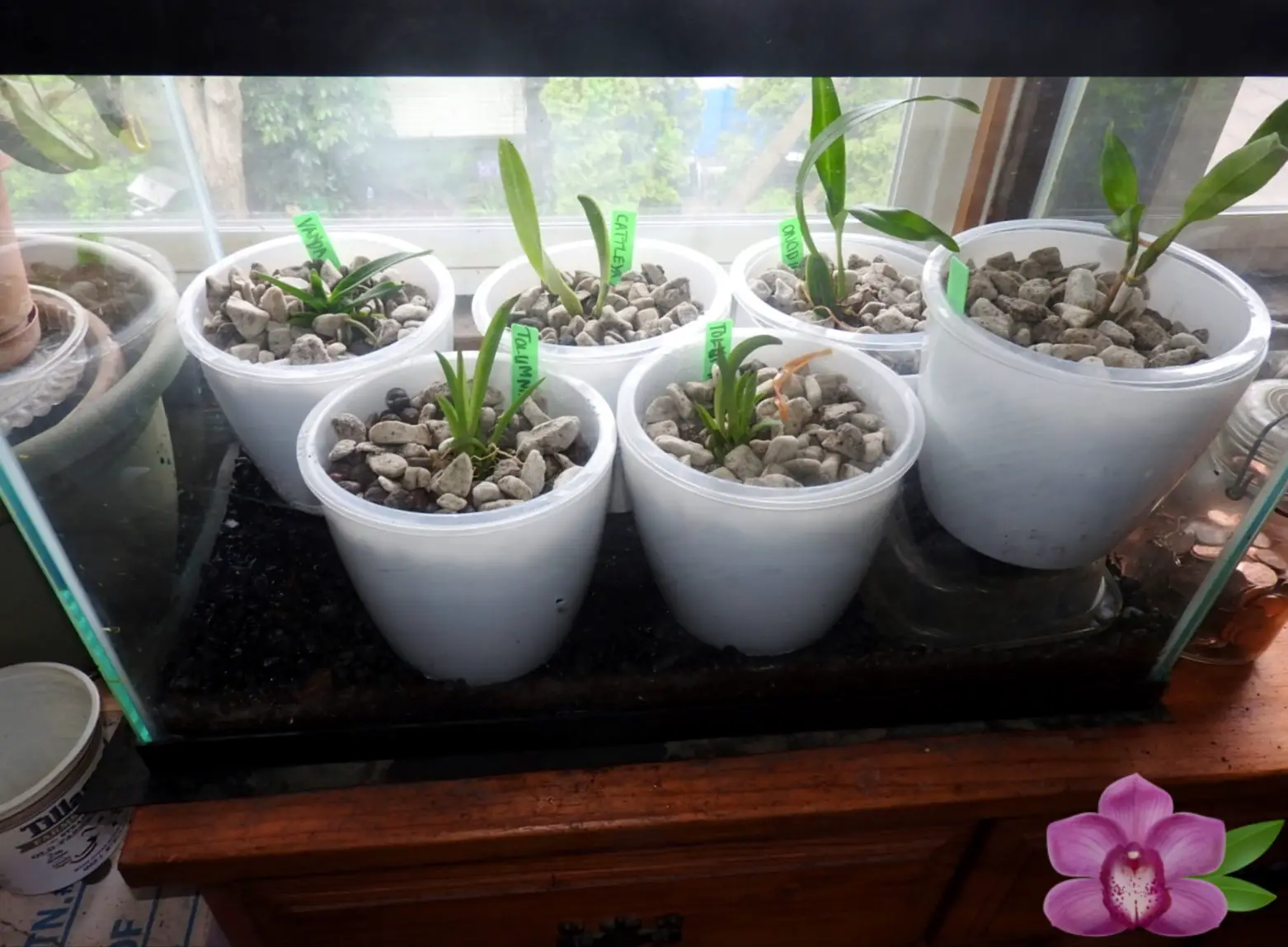
This orchid terrarium DIY project started with a spare 20-gallon fish tank and a simple goal: create a more humid indoor growing environment for my orchids.
My house gets very dry during the heating season, and while my orchids were surviving in self-watering planters, I wanted something that looked more natural and held humidity better.
So I decided to turn an old aquarium into an orchid terrarium using LECA, grow stones, sphagnum moss, and bottom watering.
What You’ll Learn
- 🌿 Why fish tanks work well for orchid terrariums
- 💧 How I used LECA and sphagnum moss together
- ☀️ Ways to improve humidity for indoor orchids
- 🪴 How I set up the tank for airflow and moisture
- 🌱 Why I removed the orchids from their pots
- ⚠️ Mistakes to avoid when building orchid terrariums
Why I Built An Orchid Terrarium
I have grown Nepenthes pitcher plants in terrariums for years, so building an orchid terrarium felt like a natural experiment.
Pitcher plants and orchids have a lot in common indoors. Both appreciate humidity, airflow, and growing conditions that are often difficult to maintain in dry homes.
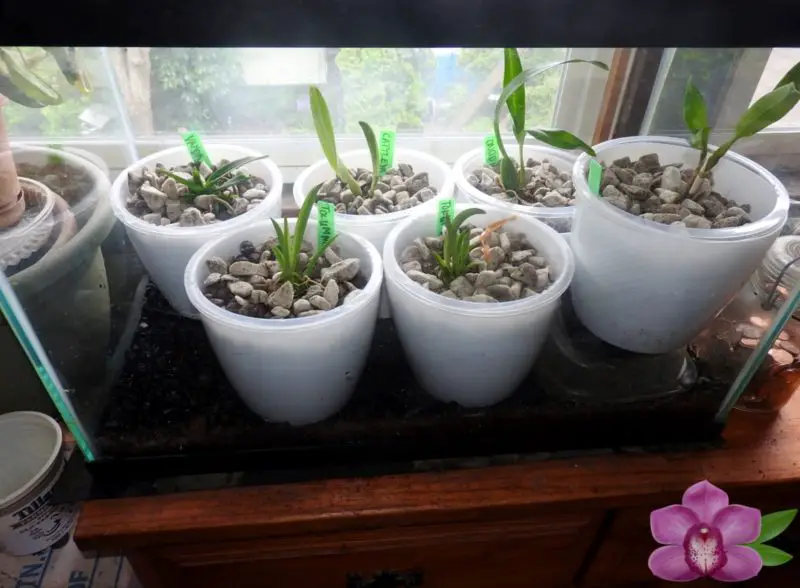
At first, I simply placed my orchid pots inside a 20-gallon fish tank on top of a gravel layer.
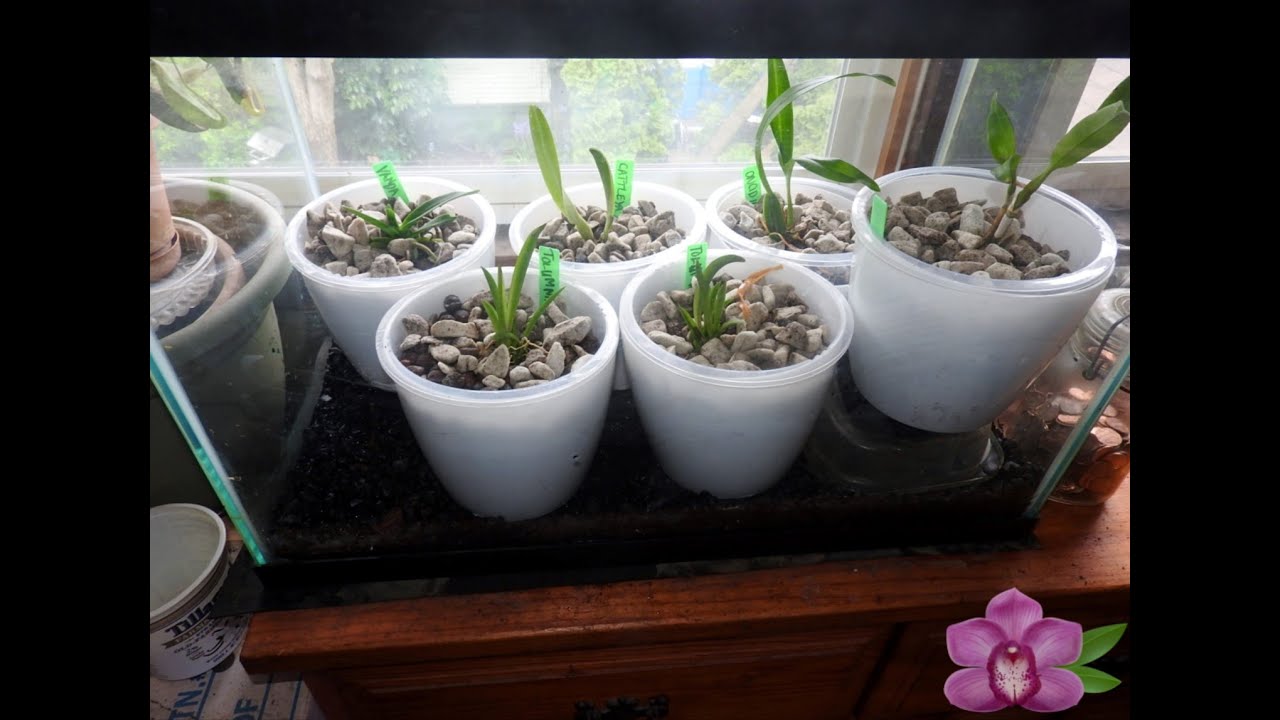
The extra humidity from evaporation helped almost immediately, but the tank felt cramped with all six orchid pots sitting inside.
That is when I decided to stop thinking of it as a place to store pots and instead turn it into a real orchid terrarium.
Why Fish Tanks Work Well For Orchid Terrariums
Aquariums are actually very useful for indoor orchid projects because they help trap humidity while still allowing light to reach the plants.
A terrarium also lets you create a smaller growing environment inside a larger dry room. Instead of trying to humidify an entire house, you only need to manage humidity inside the tank.
That makes a big difference during winter when indoor heating dries the air out.
Benefits Of Using A Fish Tank As An Orchid Terrarium
- Improves humidity around orchids
- Creates a more stable growing environment
- Works well in dry homes and apartments
- Allows for natural-looking displays
- Easy to monitor moisture levels
My Original Orchid Terrarium Layout
The original setup was very simple. The orchids stayed in their pots and sat above a shallow gravel layer inside the aquarium.
It worked, but visually it still looked like a collection of potted plants inside a fish tank.
I wanted something that looked and functioned more like a natural growing environment.
Removing The Orchids From Their Pots
Most orchid terrarium articles I found recommended leaving the orchids in their pots and hiding them with decorations.
That approach makes sense for some setups, but it was not what I wanted for this project.
I wanted the orchids growing directly in the terrarium itself instead of simply sitting inside it.
So I removed the orchids from their self-watering containers and planned the tank around exposed roots, LECA, grow stones, and sphagnum moss.
Setting Up The LECA And Grow Stone Base
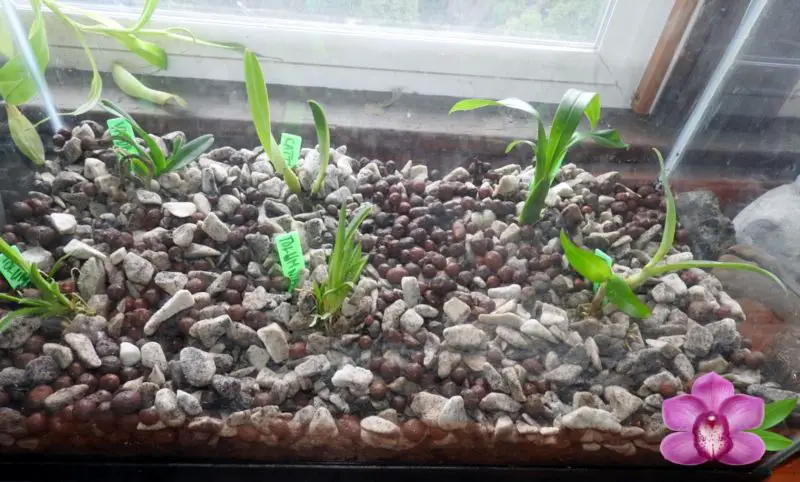
Once the orchids were removed from their pots, I created a deeper substrate layer using LECA pebbles and grow stones.
The base layer ended up around 3.5 to 4 inches deep with the orchids slightly raised above the water level.
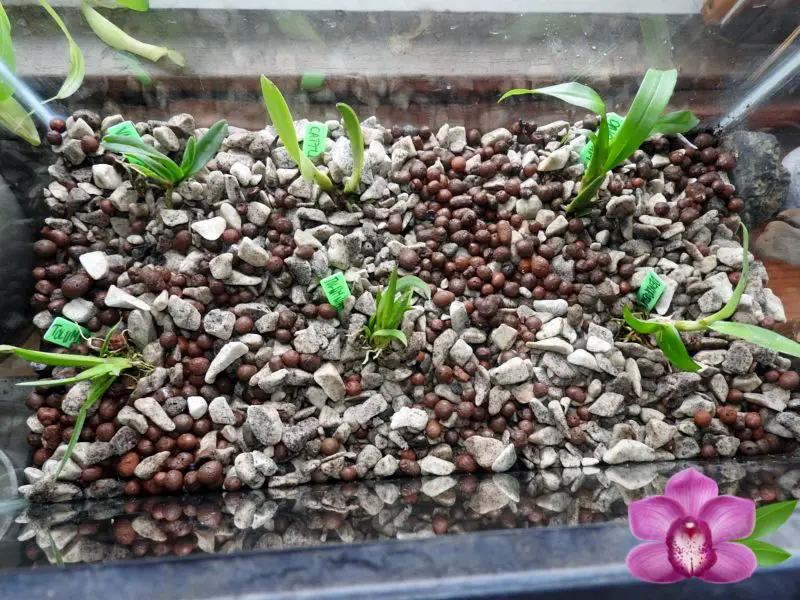
My goal was to create a humid lower layer while still keeping airflow around the orchid roots.
The water level stayed below the plants instead of soaking the roots directly.
Using Sphagnum Moss In The Terrarium
I ordered long-fiber sphagnum moss to help hold moisture and increase humidity around the orchids.
The plan was for the moss to wick moisture upward from the lower water layer while still allowing airflow around the roots.
I was careful not to pack the moss too tightly because orchids still need oxygen around the root system.
That balance between humidity and airflow is one of the biggest challenges with orchid terrariums.
Why I Chose Sphagnum Moss
- Holds moisture well
- Helps increase humidity
- Works well with wicking systems
- Allows roots to spread naturally
I also expected the orchids to eventually produce more aerial roots above the moss layer as they adjusted to the terrarium.
Adding Sphagnum Moss To The Orchid Terrarium
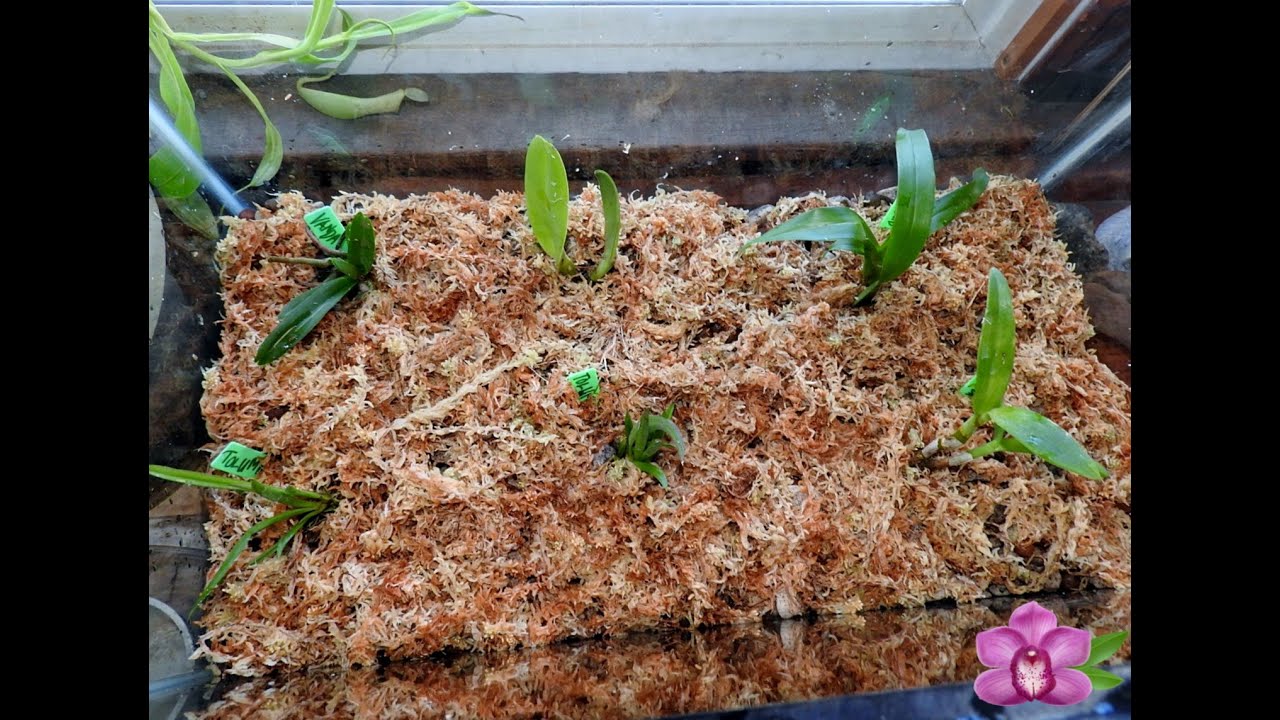
When the sphagnum moss finally arrived, I soaked it thoroughly before placing it around the orchids.
There were a lot of sphagnum moss products available online, but many reviews mentioned sticks, debris, and poor-quality material mixed into the moss.
I ended up choosing a brand that orchid growers recommended specifically for orchids and terrariums.
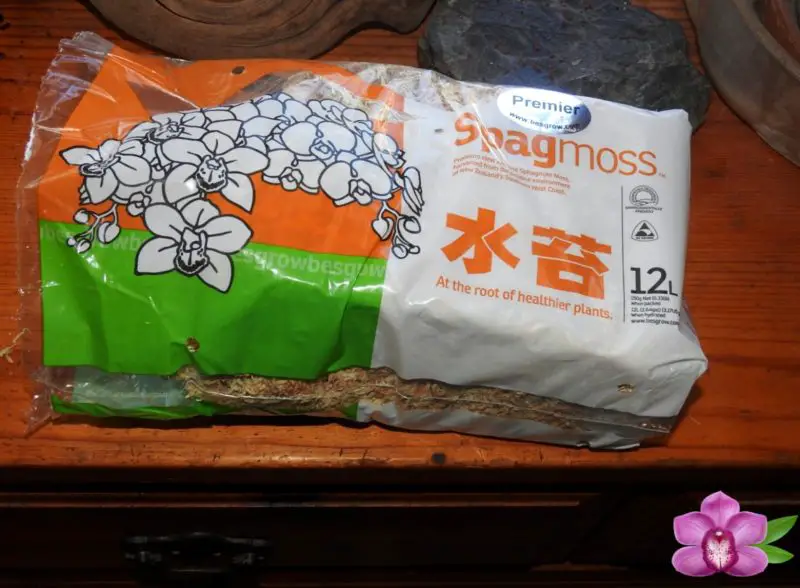
The moss turned out very clean and expanded a lot once hydrated. I only needed about half of the compressed brick for this project.
How The Moss And LECA Work Together
The LECA and grow stones form the lower drainage and humidity layer while the sphagnum moss acts more like a moisture bridge above it.
The idea is fairly simple:
- Water stays below the orchids
- The moss wicks moisture upward
- Humidity increases around the roots
- Airflow still reaches the root system
At least that was the goal. Terrarium growing always involves a little experimentation.
I did not want the orchids buried inside dense wet moss because stagnant moisture is one of the fastest ways to damage orchid roots.
Bottom Watering The Orchid Terrarium
Instead of top watering the terrarium heavily, I planned to use bottom watering to maintain the moisture level.
The water level stays below the orchids while the moss and substrate wick moisture upward naturally.
This approach helps maintain humidity while reducing the chance of constantly soaked roots.
Why Bottom Watering Works Well In Terrariums
- Helps stabilize humidity
- Reduces surface dryness
- Allows moisture to wick naturally
- Can reduce watering frequency
The challenge is making sure airflow stays strong enough so the terrarium does not become stagnant.
Do Orchid Terrariums Need Airflow?
Yes. Airflow is one of the most important parts of a healthy orchid terrarium.
High humidity without airflow can quickly lead to fungal growth, algae, rot, and unhealthy roots.
I considered adding a small fan inside the tank to keep air moving gently across the plants.
Even though orchids like humidity, most also need oxygen around the roots and leaves.
Signs A Terrarium Needs Better Airflow
- Condensation constantly covering the glass
- Musty smells
- Mold growth
- Soft black roots
- Algae buildup
That is one reason I avoided tightly packing the moss around the orchids.
Lighting For My Orchid Terrarium
Most orchids in this setup receive bright indirect indoor light rather than harsh direct sun.
Too much direct sunlight can overheat terrariums quickly, especially glass tanks sitting near windows.
Terrariums naturally trap heat and moisture, so strong sun exposure needs to be monitored carefully.
Indoor Terrarium Lighting Tips
- Bright indirect light works best for many orchids
- Avoid harsh afternoon sun
- Watch for overheating inside glass tanks
- LED grow lights can work well for terrariums
What I Would Do Differently
One thing I realized quickly is that orchid terrariums need more planning than simply placing plants inside a glass tank.
Humidity is easy to create. Balancing humidity with airflow is the harder part.
If I built another terrarium from scratch, I would probably:
- Use a slightly larger tank
- Plan airflow from the beginning
- Add mounted hardscape earlier
- Leave more vertical growing space
Still, the project worked surprisingly well for a first attempt using mostly spare materials and experimentation.
Do Orchids Like Terrariums?
Some orchids absolutely do well in terrariums, especially species that enjoy higher humidity and stable indoor conditions.
However, not every orchid is ideal for enclosed setups.
Large orchids with heavy airflow requirements may struggle in small enclosed tanks if moisture stays too high for too long.
Orchids That Often Work Well In Terrariums
- Jewel orchids
- Miniature orchids
- Humidity-loving tropical orchids
- Some young Phalaenopsis orchids
Choosing the right orchid species makes a huge difference with long-term terrarium success.
How The Orchids Responded To The Terrarium
One of the first things I noticed after setting up the terrarium was how much healthier the roots looked compared to when the orchids were sitting in dry indoor air.
The added humidity seemed to help the aerial roots stay more active instead of drying out constantly.
Some orchids also started producing fresh root growth fairly quickly once they adjusted to the new environment.
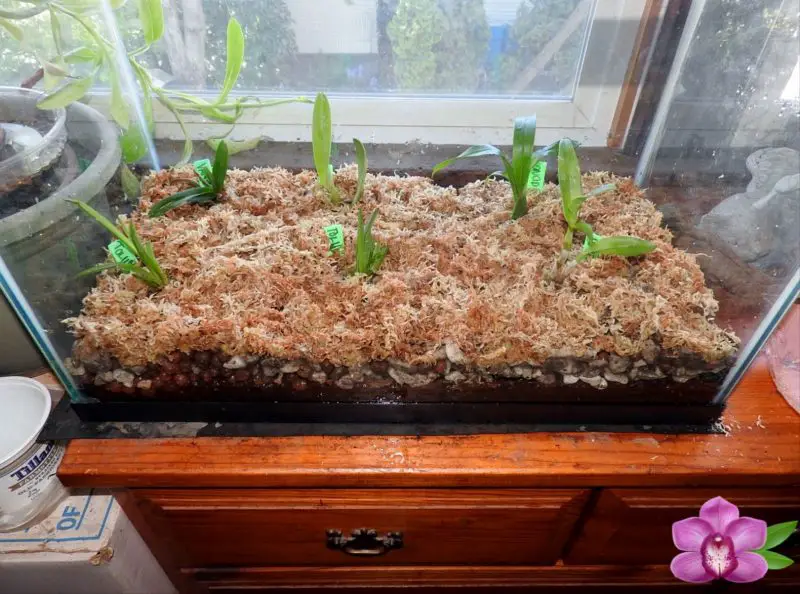
That said, I still monitored the setup carefully because high humidity can become a problem fast if airflow drops too low.
Problems I Watched For
Terrariums create stable humidity, but they can also trap excess moisture if conditions are not balanced properly.
My biggest concerns during the experiment were:
- Root rot
- Mold growth
- Poor airflow
- Overheating from sunlight
- Constantly soaked moss
Terrariums can become stagnant surprisingly fast, especially in closed tanks with heavy moss layers.
That is why I kept checking the roots, moisture levels, and condensation instead of simply sealing the tank and forgetting about it.
Would I Build Another Orchid Terrarium?
Definitely.
The project turned out much better than I originally expected, especially considering most of it was built using spare materials and experimentation.
I also liked how much more natural the orchids looked once they were removed from their plastic pots and integrated directly into the terrarium.
If I build another setup later, I will probably focus more on vertical mounting space, airflow design, and miniature orchid species.
Best Tips For Building An Orchid Terrarium
- Prioritize airflow as much as humidity
- Avoid constantly soaked growing media
- Use bright indirect light instead of harsh direct sun
- Choose orchids suited for higher humidity
- Monitor condensation and moisture levels closely
- Start simple and adjust as the orchids respond
The biggest lesson I learned is that orchid terrariums are really about balance. Humidity helps, but airflow and root health still matter just as much.
Frequently Asked Questions
Can orchids grow in a terrarium?
Yes. Some orchids grow very well in terrariums, especially miniature orchids, jewel orchids, and humidity-loving tropical species.
Do orchid terrariums need airflow?
Absolutely. High humidity without airflow can quickly lead to mold, fungal problems, and root rot.
What is the best substrate for an orchid terrarium?
Many growers use combinations of LECA, bark, grow stones, sphagnum moss, and mounted surfaces depending on the orchid species.
Can orchids grow in a fish tank?
Yes. Fish tanks are commonly used for orchid terrariums because they help maintain humidity and create stable indoor growing conditions.
Do orchids need direct sunlight in a terrarium?
Most orchids prefer bright indirect light. Direct sunlight can overheat enclosed glass tanks quickly.
What orchids work best in terrariums?
Miniature orchids, jewel orchids, and some humidity-loving tropical orchids are usually the best choices for terrarium growing.
Final Thoughts
This orchid terrarium project started as a simple experiment using a spare aquarium, but it quickly became one of the more interesting indoor growing setups I have worked on.
The biggest advantage was creating a smaller controlled environment instead of trying to change the humidity throughout the entire house.
While orchid terrariums still require airflow, monitoring, and experimentation, they can work surprisingly well for indoor growers dealing with dry air and limited growing space.
Keep Exploring Hydroponic Orchids
- Orchid Terrarium
- Types Of Orchids
- How To Grow Orchids Without Soil
- Growing Orchids In LECA
- Semi-Hydroponic Orchids
🌿 Orchid References And Resources
This post contains affiliate links.